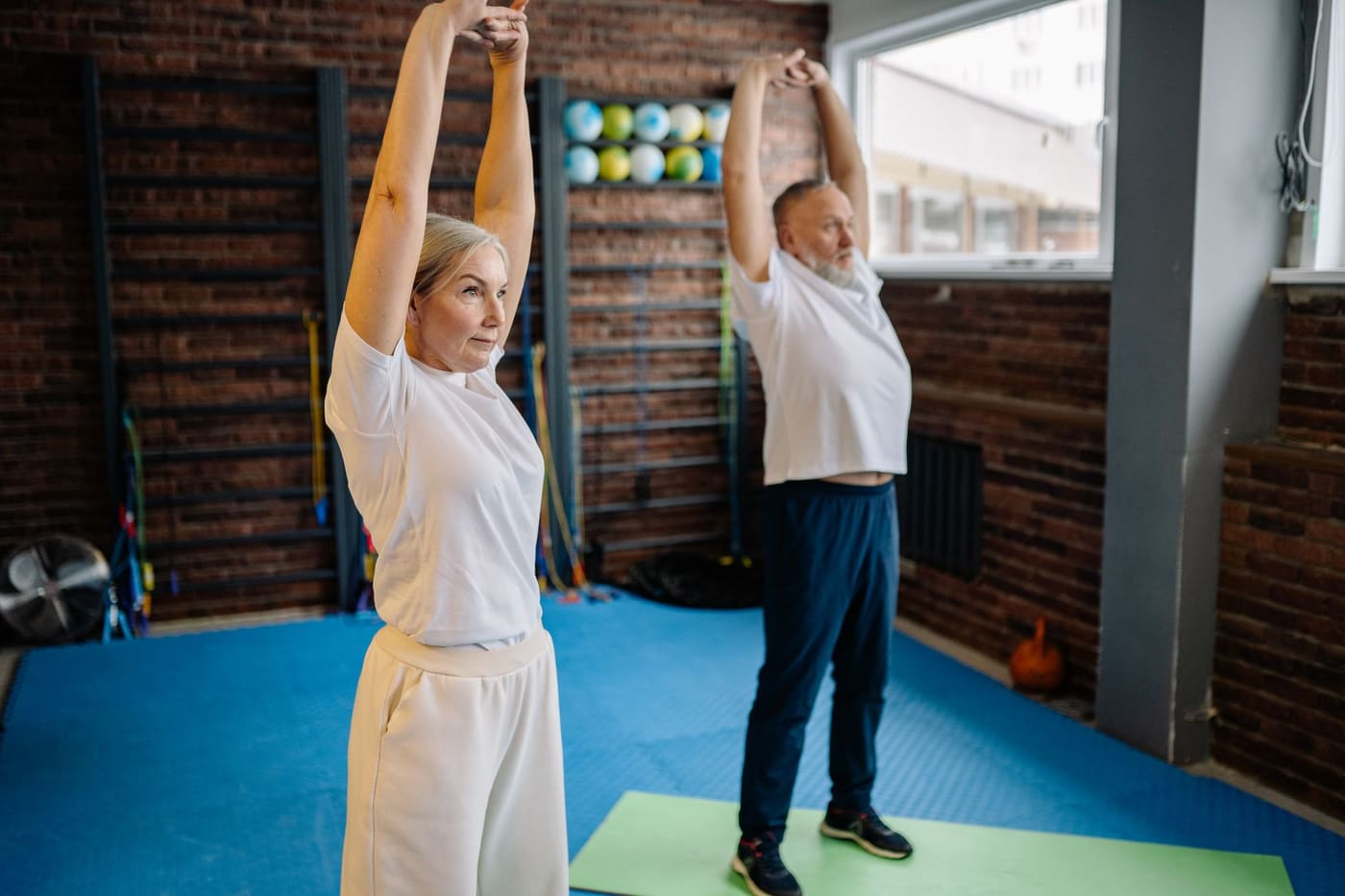
Mobility is maintained mainly by using it: regular walking, strength training for the legs and hips, and balance practice, supported by good footwear, pain management and a home set up to reduce obstacles. Muscle and joints respond to training at any age, so starting later still helps. Stopping movement is the fastest way to lose it.
Loss of mobility rarely happens overnight. It usually builds from a chain: less activity, weaker legs, slower walking, then fear of falling, which reduces activity further. The goal is to interrupt that chain early. This guide covers what to do, how much, and when to get help.
Why mobility declines
People tend to lose muscle mass gradually from midlife, and the loss speeds up if you are inactive. Strength often drops faster than muscle size, and power for quick movements, the kind you rely on to catch yourself when you trip, tends to fade early. Joints stiffen, cartilage thins and tendons become less elastic. Add arthritis, nerve problems, poor vision or a past injury, and movement gets harder.
Many of these contributors can be changed. Research shows muscle can respond to resistance exercise even in people in their 80s and 90s, and joint stiffness often eases with regular movement rather than rest.
Strength training comes first
The CDC’s activity guidance for adults 65 and older calls for muscle-strengthening activity on at least two days a week that works all the major muscle groups. For mobility, the legs and hips matter most. Check with your doctor before starting if you have a heart condition, uncontrolled blood pressure, recent surgery or have been inactive for a long time.
- Sit-to-stand: Rise from a sturdy chair and sit back down slowly.
- Heel raises: Hold a counter and rise onto your toes.
- Side leg lifts: Hold support and lift one leg out to the side, keeping your back straight.
- Wall push-ups: Build the upper-body strength needed to push up from a chair or bed.
- Resistance band rows: Strengthen the back and improve posture.
Start with a small number of repetitions and build slowly, as a clinician or physical therapist advises. Choose a level where the last few repetitions feel challenging but your form holds. Mild muscle soreness for a day or two is normal. Sharp or joint pain is not. Leave a day between sessions for the same muscles.
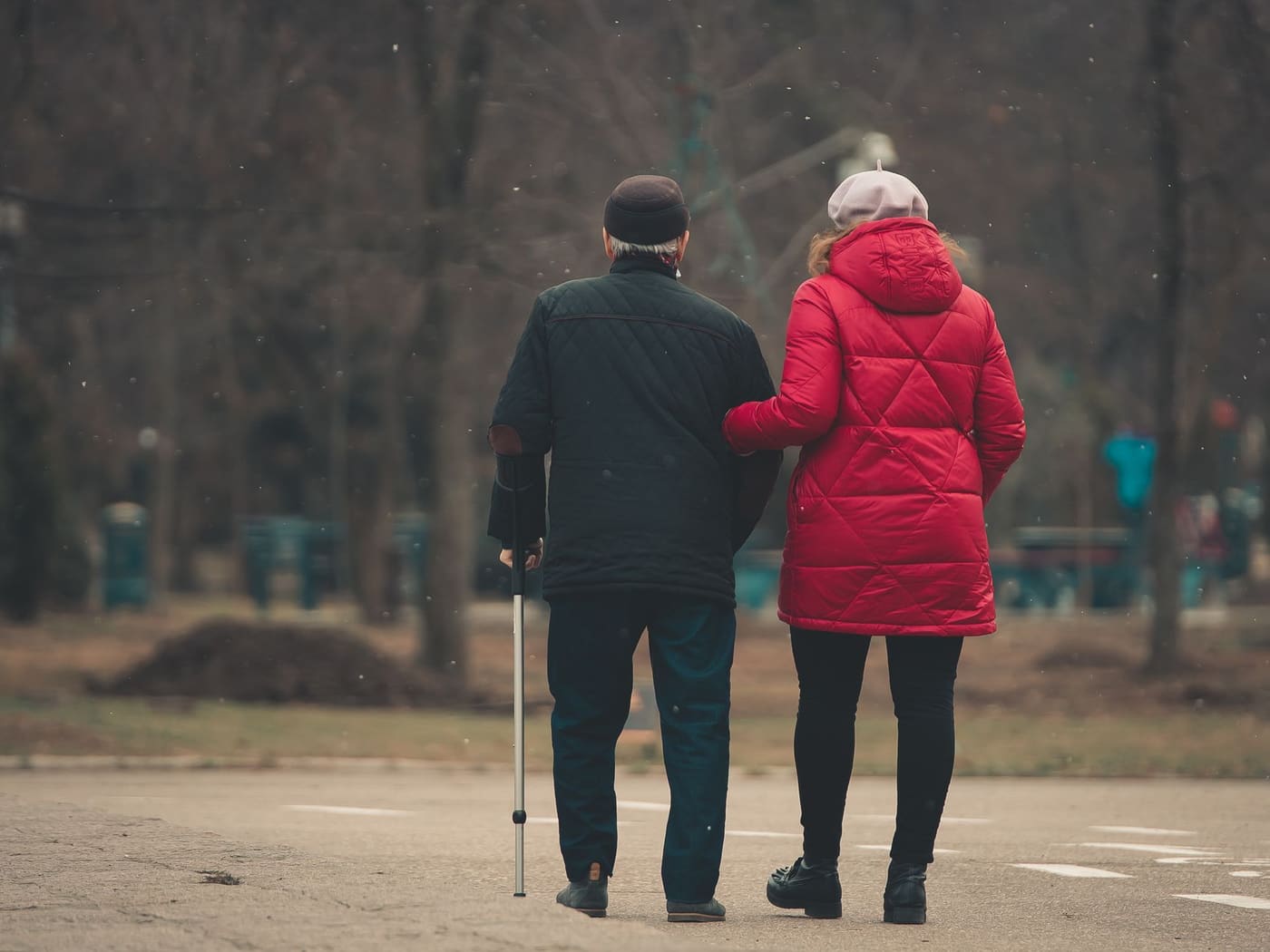
A sample beginner week
As an illustration, a cautious starting plan might look like this:
| Day | Activity |
|---|---|
| Monday | 10-minute walk, plus sit-to-stands and heel raises |
| Tuesday | Balance practice at the counter, gentle stretching |
| Wednesday | 10-minute walk, plus side leg lifts and wall push-ups |
| Thursday | Rest or easy movement such as a slow stroll |
| Friday | Strength session again, plus a 10-minute walk |
| Saturday | Longer easy walk, or a class |
| Sunday | Rest |
Adjust it to your energy, your conditions and your clinician’s advice. If a day goes badly, resume the plan the next day rather than trying to make up the missed work. After two or three weeks, extend one walk by a few minutes or add a few repetitions to one exercise, but change only one thing at a time. If you feel unusually breathless or dizzy, or have chest discomfort during any of these, stop and get medical advice before continuing. Call emergency services for chest pain or pressure that does not settle with rest.
Walking and aerobic activity
Public health guidance for older adults is at least 150 minutes of moderate activity per week, which could be 30 minutes on five days. Moderate means you can talk but not sing. If you are starting from very little, begin with 5 to 10 minutes and add a few minutes each week. Several short walks count the same as one long one.
Other low-impact options include swimming, water aerobics, stationary cycling and dancing. Water exercise is especially useful when arthritis makes weight-bearing painful. Walking speed is a useful signal: a gradual slowing over months deserves a conversation with your clinician.
Balance and flexibility
Balance weakens when it is not practiced. Evidence-supported programs include tai chi and structured balance classes, often offered by community centers, senior centers and some local health departments. At home, you can practice standing with feet together, then in a staggered stance, then on one leg while holding a counter, starting with a few seconds and building up gradually.
For flexibility, gentle stretches of the calves, hamstrings, hips and chest, held for roughly 10 to 30 seconds after the muscles are warm, can ease stiffness. Do not bounce, and stop if you feel pain rather than a mild pull. For a deeper look at preventing falls, see how to reduce fall risk without becoming afraid to move.
Pain, joints and arthritis
Pain makes people move less, and moving less worsens stiffness. Many clinicians recommend continuing gentle activity with arthritis, because movement helps joints and strengthens the muscles that support them. Warm showers before exercise, pacing and low-impact options help. Talk with a clinician or pharmacist about pain relief options, since medicines carry risks that change with age, kidney function and other prescriptions. A physical therapist can design a program around specific joints, and in many places insurance may cover visits, sometimes with a referral, so ask your plan.
Common mistakes with exercise
- Resting completely for a stiff joint, which usually makes it stiffer.
- Holding your breath while lifting. Breathe out on the effort.
- Skipping the warm-up. A few minutes of easy walking before stretching helps.
- Doing too much too soon, then quitting after a sore week.
- Ignoring pain that is sharp, localized or gets worse during exercise. Stop and have it checked.
Footwear, aids and your home
Shoes with a firm, non-slip sole, a snug heel and a low, wide heel support steadier walking. Worn slippers and socks on smooth floors are common hazards. If you use a cane or walker, have it sized and taught by a physical therapist or other clinician, since the wrong height changes how you walk. Needing an aid is not failure. It can keep you active and safe.
At home, clear walkways, remove loose rugs, add lighting on routes to the bathroom, and consider grab bars near the toilet and shower, installed securely by someone qualified.
Nutrition and medical factors
Muscle needs fuel. Adequate protein across the day and enough calories help preserve strength, and your clinician or a dietitian can advise if you have a condition with dietary limits. Vitamin D and calcium matter for bone health, but amounts vary by person, so ask your clinician before taking supplements. Review your medications regularly too, since some cause dizziness or drowsiness. Keeping track of multiple medications makes those reviews easier. Vision and hearing problems also affect balance and confidence.
Setting goals and tracking progress
Specific goals keep a program going. Instead of “get stronger,” aim for something concrete: stand from a chair without using your hands, walk to the corner and back, climb a flight of stairs without resting, or get up from the floor unaided while playing with a grandchild. Test yourself every month or so and note the result.
A simple monthly check could include:
- How many sit-to-stands can you do in 30 seconds?
- How long can you stand on one leg, holding a counter lightly if needed?
- How many minutes can you walk comfortably?
- How does your usual walking pace feel compared with last month?
Expect improvement to be gradual. Strength gains often show up in several weeks, and balance improvements may take longer. Plateaus are normal. Increase the challenge slowly, for example by adding a few repetitions, slowing the movement or using a light resistance band.
If you have had surgery, a hospital stay or an injury, ask for a referral to rehabilitation rather than trying to push through alone. Muscle can be lost quickly during bed rest in older adults, and getting back to baseline sooner makes a difference. Community programs through senior centers, community fitness centers and local parks departments often offer classes designed for older adults.
For the bigger picture of aging well, read what healthy aging actually looks like.
When to see a doctor
Get evaluated if you notice:
- Walking that is steadily slowing or needing more support
- New leg weakness, numbness or tingling
- Falls or near-falls, even without injury
- Joint swelling, heat and redness, or pain that wakes you at night
- Dizziness when standing up
Call your local emergency number (911 in the United States) for sudden weakness or numbness on one side, sudden trouble walking, severe chest pain, or a fall with head injury, especially if you take blood thinners.
Where this comes from
The weekly targets for aerobic, muscle-strengthening and balance activity come from the Centers for Disease Control and Prevention’s physical activity guidance for adults 65 and older. The exercise examples, the beginner week and the monthly self-checks are illustrations built on that guidance, not a prescription, and a physical therapist can tailor them. The points about muscle loss, arthritis and footwear reflect general National Institute on Aging advice. Insurance coverage and local program costs change, so check them with your plan or provider.