
You reduce fall risk by getting stronger and steadier, not by moving less. The most effective steps are regular balance and leg-strength exercise, a review of your medications and vision, safer footwear, and a home with fewer hazards. Avoiding activity out of fear tends to backfire, because weaker muscles and poorer balance raise the odds of falling.
The Centers for Disease Control and Prevention reports that more than one in four adults aged 65 and older falls each year, and a fall can lead to fractures, loss of confidence and a spiral of reduced activity. The good news is that most falls have identifiable causes, and many of those causes can be changed. This guide covers the main risk factors, practical fixes and how to rebuild confidence.
Why falls happen
Falls rarely come from one cause. They usually come from several small problems stacking up:
- Weak legs and hips: Slower, weaker muscles cannot correct a stumble in time.
- Poor balance: Often from inactivity, nerve damage (as can happen with diabetes) or inner-ear problems.
- Medications: Some cause dizziness, drowsiness or blood pressure drops.
- Vision problems: Cataracts, outdated glasses and multifocal lenses on stairs can make distances hard to judge.
- Hazards at home: Loose rugs, clutter, poor lighting and wet floors.
- Medical conditions: Low blood pressure on standing, foot problems, arthritis and conditions that affect thinking.
Because the causes stack, fixing even two or three of them can lower your overall risk.
Fear of falling can raise your risk
After a fall or near-fall, many people cut back on walking, stairs or going out. That feels safe, but inactivity weakens muscles and worsens balance, which makes a real fall more likely. Fear can also change how you walk, making steps shorter and stiffer.
The aim is calibrated caution: stay active in ways that build strength and stability, and make the environment safer so each outing feels manageable. Starting with supervised or supported activity can rebuild trust in your body. Maintaining mobility as you age covers the exercise side in more detail.
Exercise that reduces falls
Balance and strength training are the best-supported ways to lower fall risk. The CDC’s activity guidance for adults 65 and older includes balance activities, such as standing on one foot, along with muscle-strengthening on at least two days a week. Check with your doctor before starting if you have a heart condition, severe dizziness, or have been inactive for a long time.
- Tandem stance: Stand heel-to-toe next to a counter. Hold for about 10 seconds, then switch which foot is in front.
- Single-leg stand: Hold the counter lightly and lift one foot. Build up gradually, one side at a time.
- Sit-to-stand: Stand up from a chair and sit back down slowly, using your hands only if you need to.
- Heel-to-toe walking: Walk along a hallway placing one foot directly in front of the other, with a wall nearby.
- Tai chi: Slow, shifting movements practiced in classes. Many senior centers and community programs offer them.
Always keep something sturdy within reach, and progress one step at a time. A physical therapist can assess your balance and design a safer plan. Whether insurance covers it depends on your plan and on a clinician documenting the need, so ask your plan before booking.
A gentle progression for the first few weeks
If you are nervous, start with support and make each step slightly harder only when the last one feels easy. As an illustration:
- Weeks 1 to 2: Practice tandem stance and sit-to-stands while holding a counter with both hands, once a day.
- Weeks 3 to 4: Hold the counter with one hand, or with fingertips only, and add heel-to-toe walking beside a wall.
- Weeks 5 and beyond: Try the same moves with the counter nearby but not touched, and consider a class or a supervised session.
If an exercise makes you dizzy or causes pain, stop and mention it to your clinician. Slower progress is fine. Consistency matters more than speed.
Check medications, vision and blood pressure
Ask for a medication review at least once a year, and after any new prescription. Sedatives, sleep aids, some antidepressants, some blood pressure drugs and certain pain medicines are among the types commonly linked with dizziness and falls. Never stop a prescription on your own: ask a pharmacist or doctor first, since some drugs cause problems if stopped suddenly. Bring every pill, supplement and over-the-counter product to the appointment, and see how to keep track of multiple medications safely.
Also get an eye exam as often as your eye doctor advises, and keep your prescription current. If you wear multifocal lenses, ask your eye doctor whether single-vision glasses would be safer for walking outdoors and on stairs. Ask your clinician to check your blood pressure sitting and standing, since a drop on standing can cause dizziness. Rise slowly: sit at the edge of the bed for a minute before standing.
Make your home safer
| Area | Common fix |
|---|---|
| Floors | Remove loose rugs or secure them with non-slip backing; clear cords and clutter |
| Stairs | Handrails on both sides, good lighting, light switches at top and bottom |
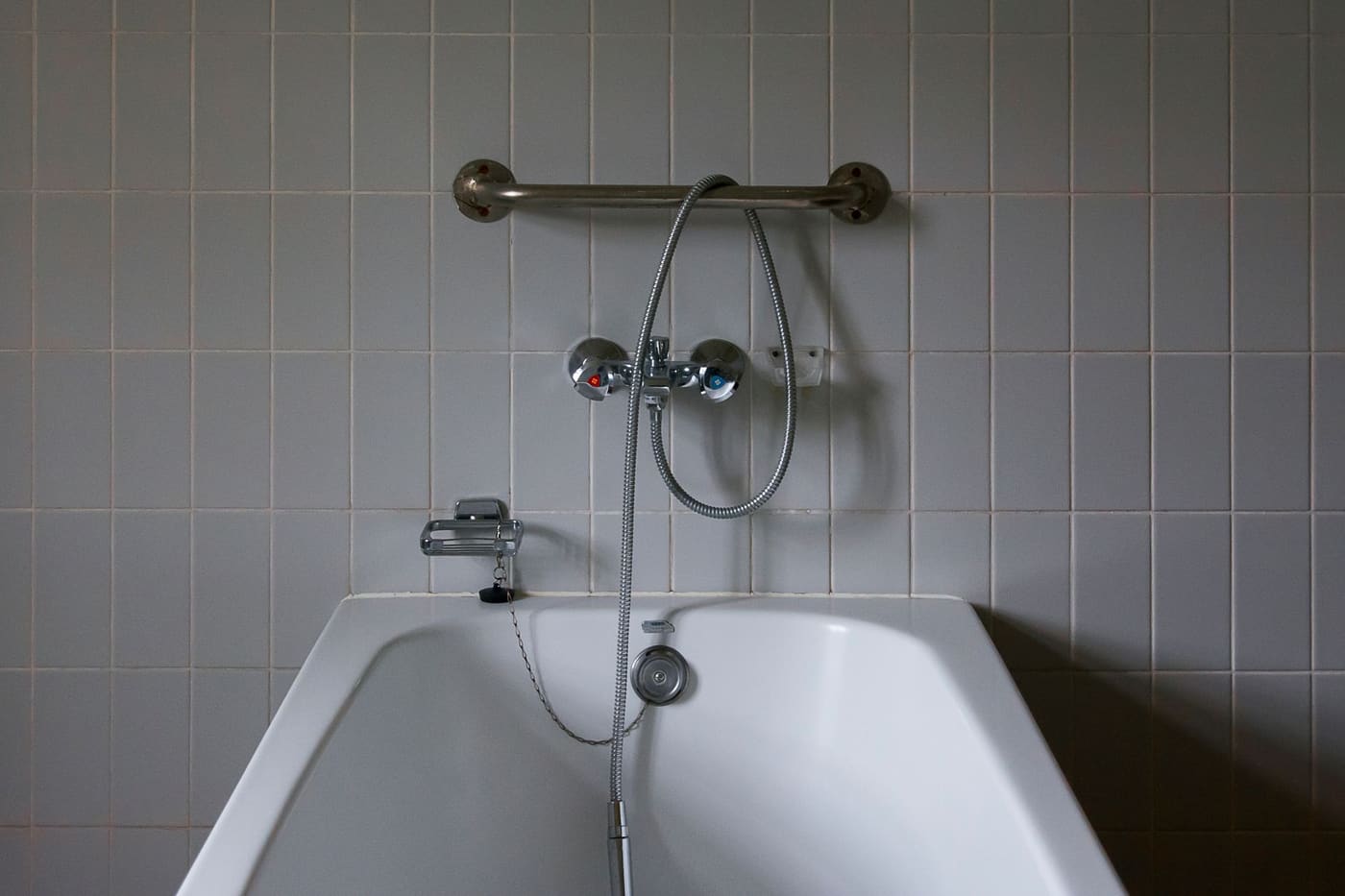
| Bathroom | Non-slip mat, grab bars near the toilet and shower, shower chair if needed |
| Bedroom | Night lights on the route to the bathroom; lamp within reach of the bed |
| Kitchen | Keep frequently used items between waist and shoulder height; avoid step stools |
| Entrances | Even steps, handrails, outdoor lighting |
Occupational therapists can perform a home safety assessment. Grab bars should be anchored into the wall structure rather than relying on suction or towel racks, so have them installed by someone qualified. Some local programs help with the cost of home changes, and your area agency on aging can tell you what exists near you.
Footwear and walking aids
Wear shoes that fit snugly, with thin, firm, non-slip soles. Avoid walking in socks or loose slippers, and avoid high heels. If a cane or walker is recommended, have it fitted by a clinician or physical therapist, who can check the height and teach you to use it. Using an aid is a way to stay active, not a sign of giving up. If you worry about being unable to get up after a fall, a medical alert device or a phone with fall detection can add peace of mind.
What to do if you fall
If you fall and feel okay, do not jump up. Take a moment to check for injury. Roll onto your side, rest, and look for a sturdy chair. Get onto hands and knees, crawl to the chair, and push up slowly. If you cannot get up, call for help and keep warm. Tell your clinician about any fall even if you were not hurt, because it helps identify the cause.
Getting up and getting help
Practice getting up from the floor with a physical therapist if you can, so the sequence feels familiar before you ever need it. If you cannot get up and are alone, try to reach a phone, make noise, or use an alert device. Pulling a blanket or cushion toward you helps you stay warm while you wait. A long time on a hard floor can cause problems of its own, so ask for help rather than waiting.
Questions to ask after a fall
- What do you think caused it, and could any of my medicines have contributed?
- Should my blood pressure be checked lying and standing?
- Do I need a vision, hearing or foot check?
- Would physical therapy or a home safety visit help?
- Should my bone health be checked?
When to see a doctor
Contact your clinician if you have had a fall, nearly fall regularly, feel unsteady, or are afraid to walk. Call your local emergency number (911 in the United States) after a fall if you:
- Hit your head, especially if you take blood thinners, or have headache, vomiting, confusion or drowsiness afterward
- Cannot bear weight, have severe pain in a hip, wrist or back, or see an obvious deformity
- Lose consciousness, feel chest pain, or notice an irregular heartbeat before the fall
- Have sudden weakness, speech trouble or vision loss
For the wider picture, see what healthy aging actually looks like.
Going outside and public places
Outings are where many people feel most anxious, so plan them rather than avoid them. Walk in daylight when possible, choose well-maintained sidewalks, and be cautious on wet leaves, ice and uneven curbs. In winter, shoes or boots with good tread help. Take your time on curbs and stairs, and use handrails even when you feel steady.
Some practical habits help:
- Carry items in a backpack or cross-body bag to keep your hands free.
- Stand still when you need to look at a phone, a menu or a sign.
- Pause before turning, and turn with small steps rather than a quick pivot.
- Take your time in crowded places and let others pass.
- Keep a phone with you, and consider a medical alert option if you live alone.
Walking with a friend or joining a community walking group adds safety and motivation. Extend distance gradually as confidence grows. A goal such as walking an extra block each week is more sustainable than a large jump, and it helps your confidence catch up with your actual ability.
Alcohol deserves a mention too. Even small amounts can impair balance and interact with medicines, so ask your doctor or pharmacist whether it is wise for you.
To walk through your home room by room, use the home fall hazard checklist.
Where this comes from
The fall statistic and the activity recommendations come from the Centers for Disease Control and Prevention, including its physical activity guidelines for adults 65 and older. The advice on getting up after a fall, home hazards and footwear follows the National Institute on Aging’s falls-prevention guidance. Exercise progressions here are illustrations, not a prescription, so ask a physical therapist to tailor them. Coverage and costs change, so check them with your insurer.